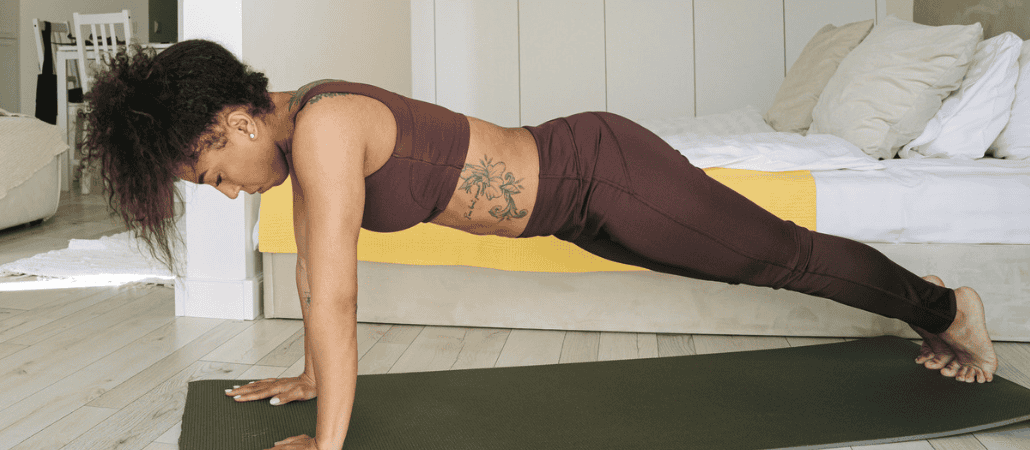
If you’ve been curious about Pilates but every video seems to feature expensive machines and advanced exercises, you’re not alone. The good news is that you don’t need expensive equipment or a studio membership to get started. Mat Pilates uses your own bodyweight to build strength, improve posture, and move with greater confidence.
I’m Andrea, a Balanced Body-trained Mat Pilates instructor who helps beginners move better, especially people who spend most of their day sitting. Every class I teach starts with these same fundamentals because they create the foundation for every movement that follows.
By the end of this guide, you’ll understand what Mat Pilates is, how it’s different from Reformer Pilates, who it’s for, and the five foundational movements every beginner should learn first.
What is Mat Pilates?
Mat Pilates is a series of controlled, low-impact exercises done on the floor, using your bodyweight for resistance. No reformer, no machines. The focus is on controlled movement, intentional breathing, and deep core activation to build strength from the inside out.
Mat Pilates is based on the movement method Joseph Pilates developed in the early 20th century, and it’s the foundation the entire Pilates system is built on. Master the mat, and you’ll have the skills to confidently progress into other styles of Pilates, including reformer classes.
Mat Pilates vs. Reformer: What’s the Difference?
The Reformer is the spring-loaded machine with a sliding carriage that you’ve probably seen in studios or all over social media. It’s an incredible piece of equipment, but it’s also more expensive, studio-based, and can feel intimidating for someone who’s brand new to Pilates.
Mat Pilates teaches the same core principles using nothing more than your bodyweight. It builds the foundation of breath, control, and core strength that carries into every other style of Pilates, including Reformer classes.
Neither is “better.” They’re simply different tools, and for most beginners, learning the fundamentals on the mat is a great place to start.
What Mat Pilates Does for You?
The benefits of Mat Pilates go far beyond stronger abs. With consistent practice, you’ll build strength, improve mobility, and become more aware of how your body moves throughout the day.
- Real core strength: Mat Pilates strengthens more than your visible abdominal muscles. It targets your deep core, including the muscles that stabilize your spine and pelvis, helping you move with better control whether you’re carrying groceries, sitting at your desk, or exercising.
- Better posture: Hours at a desk can leave your shoulders rounded, your hips tight, and your upper back stiff. Mat Pilates strengthens the muscles that support good alignment while improving awareness of how you sit, stand, and move throughout the day.
- More mobility: Every class encourages your spine and joints to move through a healthy range of motion instead of staying in the same positions all day. Over time, this can help you feel less stiff and more comfortable during everyday movements.
- Body awareness: One of the biggest things beginners notice isn’t just getting stronger. It’s becoming more aware of how they move. You start recognizing when you’re compensating with your neck, shoulders, or lower back and learn how to move more efficiently instead.
- Low-impact and adaptable: Because movements are slow, controlled, and easy to modify, Mat Pilates works well for a wide range of fitness levels. Whether you’re completely new to exercise or returning after time away, the exercises can be adjusted to meet you where you are.
Who Mat Pilates Is For?
One of the things I love most about Mat Pilates is how adaptable it is. Complete beginners, busy parents, desk workers, older adults, and people returning to exercise can all benefit.
If you’re dealing with back pain, recovering from an injury, or you’re pregnant or postpartum, that doesn’t automatically rule you out. It simply means your practice may need a few modifications and guidance from a qualified instructor. Every body moves differently. In my classes, modifying for the person in front of me is half the job.
The Building Blocks of a Mat Pilates Class
A good beginner class isn’t random. It follows a logical progression, teaching your body one skill before asking it to learn the next. Here are the foundational movements every one of my classes is built on. Learn these first, and you’ll build the confidence and control needed for a full Mat Pilates class.
Most beginner classes jump straight into exercises. I prefer teaching movement patterns first because once those become natural, every future exercise becomes easier, more controlled, and more effective.
Breathwork
Before anything moves, you learn to breathe. Inhale wide into your rib cage, then exhale as you gently engage your deep core. Your breath powers every Pilates movement, and it’s one of the most important skills beginners can learn because it creates the stability every exercise is built on.
Pelvic Tilts
Pelvic tilts gently rock your pelvis forward and back, helping you understand how your pelvis, spine, and core work together. They teach you what a neutral spine feels like and build awareness that carries into every exercise that follows.
Marches and Imprinting
Marches are one of the first exercises where you learn to stabilize your body while your legs move. Lying on your back with your knees in tabletop, you’ll slowly lower one foot at a time while maintaining control through your core.
The real lesson, though, is imprinting. Using your breath, you’ll learn how to gently connect your spine to the mat while engaging your deep core. This teaches you how to stabilize your trunk before your arms and legs begin to move, creating the control you’ll rely on as exercises become more challenging.
Articulated Bridge
The articulated bridge teaches you to move your spine one vertebra at a time rather than lifting your body as one rigid piece. It improves spinal mobility, strengthens your glutes and hamstrings, and feels especially good after a long day of sitting.
Ab Curls
Ab curls are small, controlled movements initiated by your breath and deep core, not by pulling on your neck. This is where breath, imprinting, and core control come together, preparing you for many of the classical Pilates exercises you’ll learn later. It’s less about how high you curl and more about learning to move with control.
These five movements come before many of the classical Pilates exercises you’ve probably seen, like the Hundred, Roll-Up, and Single Leg Stretch. Those exercises absolutely have their place, but they’re much more effective once you’ve learned how to breathe, stabilize your core, and move with control. Building a strong foundation first helps you get more out of every exercise that follows.
Reading about these movements is one thing. Seeing them is another. Watch me walk through all five foundational exercises so you can practice them with confidence.
How to Get Started at Home?
One of the best things about Mat Pilates is how easy it is to begin. You don’t need a home gym or expensive equipment. To get started, all you need is:
- A Mat Pilates mat, or even a towel on carpet
- A small space where you can move comfortably
- 10 to 15 minutes
- Comfortable clothes you can move in
Start with breathwork and pelvic tilts two or three times a week. As those movements begin to feel natural, gradually add marches, bridges, and ab curls. Focus on quality over quantity. Five minutes of slow, controlled movement will always be more valuable than rushing through a longer workout.
What I Actually Use?
You can start with a towel on carpet, truly. But if you want the setup I use every day, this is it, nothing more:
Thick Mat Pilates Mat
A thicker Mat Pilates mat
A little extra cushioning makes a huge difference during spinal exercises like pelvic tilts, articulated bridges, and ab curls. It’s much more comfortable than a standard yoga mat, especially if you’re practicing on hard floors.
Resistance bands
Resistance Bands
I don’t use these on day one, but they’re one of my favorite ways to make foundational exercises more challenging once you’ve built good control. They’re lightweight, inexpensive, and easy to keep at home.
What I Wear
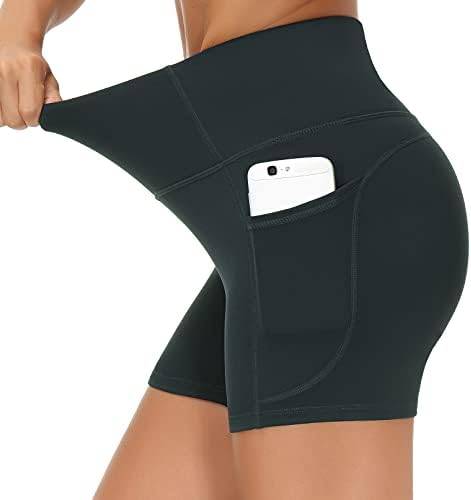
Comfortable, fitted workout clothes
I like clothing that’s comfortable enough to move freely but fitted enough that I can see my alignment while teaching. Good movement starts with good feedback, and wearing clothes that don’t restrict you makes that easier.


Affiliate disclaimer
Some of the links above are affiliate links, which means I may earn a small commission if you purchase through them at no additional cost to you. I only recommend products I personally use and genuinely enjoy.
Common Beginner Mistakes
Every beginner makes mistakes, and that’s completely normal. Here are the ones I see most often:
Holding your breath
Breathing is what connects your core to every movement. If you catch yourself holding your breath, slow down and focus on your inhale and exhale before worrying about the exercise itself.
Moving too quickly
Pilates isn’t about rushing through repetitions. Slowing down gives your muscles time to engage and helps you build better control.
Tensing your shoulders
Many beginners unknowingly carry tension in their neck and shoulders. Instead, think about keeping your shoulders relaxed while letting your core do the work.
Pulling on your neck during ab curls
Your hands should support your head, not lift it. Focus on initiating the movement with your breath and abdominal muscles rather than pulling yourself forward.
Comparing yourself to advanced instructors
Remember that every experienced instructor started as a beginner. Focus on learning the movement well instead of making it look perfect.
Frequently Asked Questions
Is Mat Pilates Good for Beginners?
Yes. Mat Pilates is one of the best ways to begin Pilates because it requires little to no equipment and every exercise can be modified to your fitness level. A good beginner class focuses on foundational skills like breathing, core control, and body awareness before progressing to more advanced movements.
Can You Do Mat Pilates at Home Without Equipment?
Yes. All you need is a mat (or even a towel on carpet) and a little floor space. Your bodyweight provides the resistance, so you can build strength without any special equipment. As you progress, you might choose to add small props like resistance bands or a Pilates ring, but they’re completely optional.
What’s the Difference Between Mat Pilates and Reformer Pilates?
Mat Pilates uses your bodyweight on the floor, while Reformer Pilates uses a spring-loaded machine for added resistance and support. Both follow the same Pilates principles, but many beginners find it helpful to learn the fundamentals on the mat before trying the Reformer.
How Often Should a Beginner Do Mat Pilates?
Two to three sessions per week is a great place to start. Consistency matters more than duration, so even 10 to 20 minutes of focused practice a few times a week can lead to noticeable improvements over time.
Do I Need to Be Flexible to Start Mat Pilates?
No. Flexibility is something Pilates helps you develop, not something you need before you begin. Every movement can be modified to match your current mobility, making Mat Pilates an approachable option for beginners.
Can You Do Mat Pilates with Back Pain or a Disc Injury?
Often, yes, but it depends on the cause of your pain and the guidance of your healthcare provider. I have an L4/L5 herniated disc myself, so I modify my own practice every day. If you’re dealing with back pain or a disc injury, it’s important to get clearance from your doctor or physical therapist and work with an instructor who can tailor exercises to your needs.
Is Mat Pilates Enough Exercise?
Mat Pilates can absolutely be an effective form of exercise, especially for improving core strength, mobility, posture, balance, and body awareness. Whether it’s “enough” depends on your personal goals. If your goal is general health and moving better, Mat Pilates may be all you need. If you’re training for endurance or building significant muscle mass, it can also complement activities like walking, strength training, or cycling.
Disclaimer
This article is for educational purposes only and should not be considered medical advice. If you’re pregnant, recovering from an injury, managing chronic pain, or have a medical condition, talk with your doctor or physical therapist before starting a new exercise program. A qualified Pilates instructor can also help modify movements to meet your individual needs.
Final Conclusion
Mat Pilates doesn’t have to be complicated. You don’t need expensive equipment, perfect flexibility, or years of experience to get started. You just need a few foundational movements, a willingness to slow down, and the consistency to keep showing up.
That’s exactly how I teach. Every class starts with breath, core control, and quality movement before building into more challenging exercises. My goal is to help you feel confident in your body, whether you’re stepping into your first class or practicing from your living room.
Whether your goal is improving your posture after long days at a desk, building core strength, or simply moving with more confidence, Mat Pilates is one of the best places to begin.
I’m currently building a beginner Mat Pilates series you can follow from home. It starts with the same foundations you learned about in this guide and gradually progresses into full-length classes with clear, beginner-friendly instruction every step of the way.
Subscribe below, and you’ll be the first to know when the series launches.
Or come say hi on Instagram and TikTok, where I share my workouts, recovery journey, and the Mat Pilates routines I practice every week. I’d love to have you there.